RSS

Blog posts of '2026' 'January'

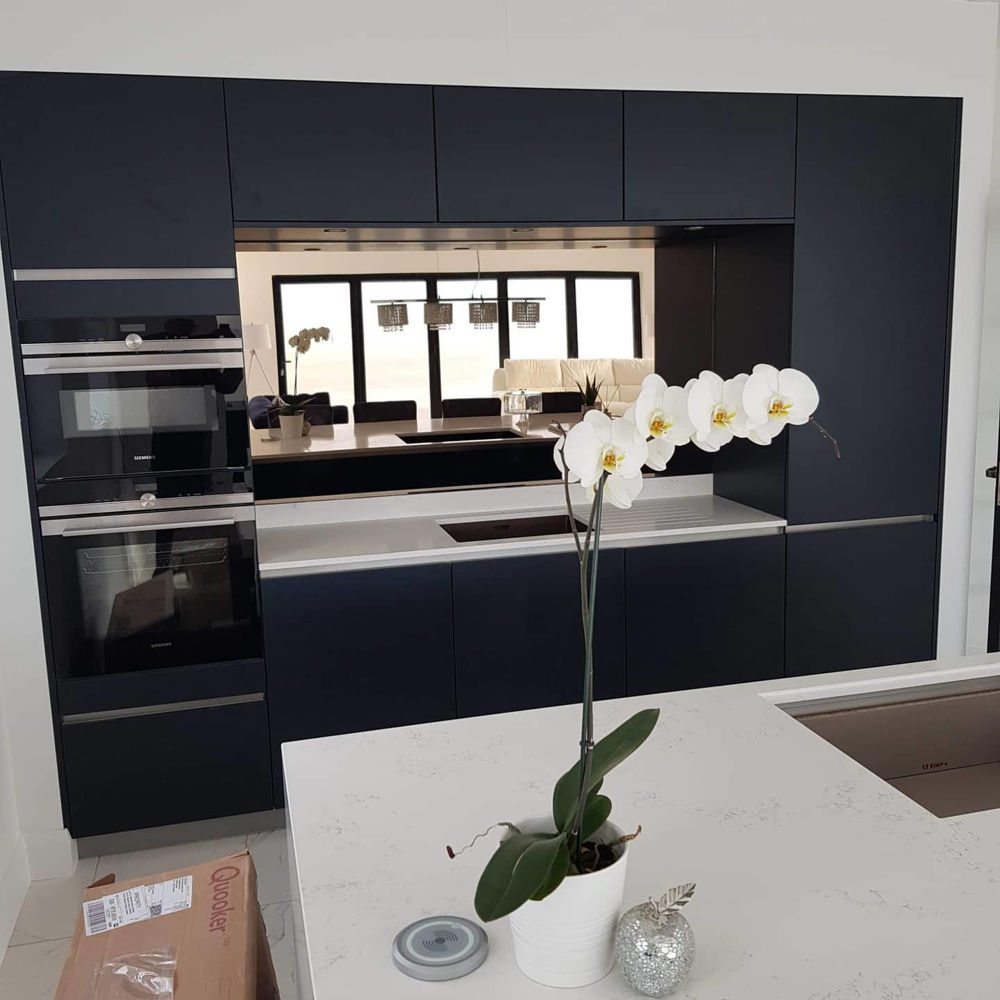
The Enduring Role of Splashbacks in Modern Homes

The Enduring Role of Splashbacks in Modern Homes

In a market saturated with fleeting trends and short-term design statements, splashbacks remain a strategic constant. They are not a novelty. They are infrastructure. For decades, splashbacks have delivered on one core promise: protect high-use surfaces while elevating the visual integrity of a space. That mandate has not changed—only the execution has evolved.

A Legacy Built on Function First

Historically, splashbacks were installed for one reason: practicality. Kitchens and bathrooms demanded a surface that could withstand heat, moisture, stains, and daily wear without degradation. Glass, tile, and stone became the default not because they were fashionable, but because they performed consistently over time.

That foundational logic still governs smart design decisions today. While finishes and color palettes rotate, the requirement for durability, hygiene, and ease of maintenance remains non-negotiable.

Modern Homes, Same Expectations—Higher Standards

Today’s homeowners expect more. Spaces are open-plan, multifunctional, and visually scrutinized. Splashbacks now operate at the intersection of performance and brand identity within the home. They frame cooking zones, define bathrooms, and increasingly act as subtle focal points rather than background elements.

Modern glass splashbacks, in particular, demonstrate how legacy concepts can be optimized for contemporary living. Clean lines, customizable color options, and seamless installation allow homeowners to preserve traditional reliability while upgrading aesthetic value. Suppliers such as DIY Splashbacks exemplify this evolution by offering made-to-measure solutions that respect established building principles while embracing modern manufacturing precision.

Durability as a Long-Term Asset

Unlike trend-driven features that require regular replacement, a well-installed splashback is a long-term asset. It reduces repainting cycles, protects structural walls, and simplifies cleaning protocols. From a cost-benefit standpoint, this positions splashbacks as a low-risk, high-return upgrade—particularly relevant in kitchens, rental properties, and high-traffic households.

This is where tradition proves its value. Time-tested materials outperform experimental alternatives, especially when paired with modern fabrication and installation standards.

Design Consistency Across Spaces

Beyond kitchens, splashbacks are increasingly deployed in bathrooms, utility rooms, and even workspaces. The rationale is consistent: where water, heat, or friction exists, protection should follow. Extending splashback use across the home creates visual continuity and reinforces a disciplined design language.

By leveraging customizable solutions from providers like DIY Splashbacks, homeowners can maintain consistency without sacrificing individuality—an approach that aligns with both classic design thinking and modern personalization.

Conclusion: Proven Concepts, Refined Execution

The enduring relevance of splashbacks is not accidental. It is the result of decades of reliable performance, refined through incremental innovation rather than radical reinvention. In modern homes, where efficiency and aesthetics must coexist, splashbacks continue to deliver measurable value.

In short, while trends come and go, fundamentals endure. And splashbacks—quietly, reliably—remain one of the most effective surface solutions ever introduced into residential design.

Kitchen Cabinet Door Spice Rack: Precision Storage That Respects the Workflow

Kitchen Cabinet Door Spice Rack: Precision Storage That Respects the Workflow


Before oversized kitchens and endless cabinetry, cooks relied on proximity and order. A spice rack mounted inside a cabinet door is a disciplined return to that philosophy—store essentials where they’re used, keep them visible, and protect valuable shelf space. It’s a small adjustment with measurable operational gains.

Why This Approach Endures

Cabinet doors are static, predictable, and typically underutilized. By activating this surface, you convert dead space into a high-performance storage zone. The result is faster access, less countertop clutter, and a cooking workflow that feels intentional rather than improvised.

Materials (Functional, Not Flashy)

• Slim spice racks or narrow wire shelves

• Screws or strong mounting adhesive (screw-fixed preferred)

• Measuring tape and pencil

• Drill or screwdriver

• Non-slip liner (optional)

Choose low-profile racks. Bulk defeats the purpose.

Installation Framework

1. Door Assessment

Confirm door thickness, hinge clearance, and interior shelf depth. The rack must close cleanly—no compromises.

2. Layout Before Commitment

Dry-fit the rack and test bottle heights. Standardization here prevents daily friction later.

3. Secure with Confidence

Fix the rack firmly. Cabinet doors experience frequent movement; weak installs fail early.

4. Organize by Frequency

Place everyday spices at eye level, backups below. This mirrors classic pantry logic.

5. Label for Continuity

Clear labels ensure consistency, especially in shared kitchens.

Where It Performs Best

• Base cabinets near the stove

• Pantry doors

• Narrow cabinets that can’t support deep shelving

Performance Benefits

• Frees up shelf and counter space

• Improves cooking speed and accuracy

• Keeps spices visible and fresh

• Scales easily as collections grow

Strategic Close

This DIY is not decorative—it’s functional infrastructure. It borrows from traditional kitchen efficiency and adapts it to modern storage constraints. When executed properly, it disappears into the background, quietly supporting better cooking every day.

The Overlooked DIY Advantage: Optimizing Utility Spaces for Long-Term Performance

The Overlooked DIY Advantage: Optimizing Utility Spaces for Long-Term Performance

Not every upgrade needs to announce itself. The most effective homes—past and present—are built on disciplined decisions made in the background. Utility spaces, secondary sinks, laundry corners, cleaning stations, and transitional work zones are where a home either maintains control or slowly breaks down.

Traditionally, these areas were treated with a purely functional mindset: tiled if necessary, painted if not, then forgotten. That approach made sense at the time. Materials were limited, budgets were tight, and aesthetics were reserved for front-of-house spaces. Today, that logic still holds—but it can be executed far better.

Why These Spaces Matter More Than You Think

Utility zones absorb the most punishment. Water, heat, detergents, chemicals, friction, and repetitive use all converge here. When these areas fail, the damage doesn’t stay contained—it migrates into walls, cabinetry, and flooring.

Upgrading these spaces isn’t cosmetic. It’s preventative maintenance.

Installing a durable wall panel—such as glass—behind a utility sink or work surface:

• Creates a non-porous barrier against moisture and stains

• Reduces cleaning time and chemical exposure

• Protects underlying finishes from early degradation

• Brings visual order to a high-use environment

This is the same principle builders have followed for decades, refined with modern materials.

A DIY Upgrade Built for Control, Not Show

Unlike kitchens and bathrooms, utility spaces allow for practical experimentation. The scale is smaller, the tolerances are more forgiving, and the risk profile is low—making them ideal for disciplined DIY work.

Execution framework:

Define the protection zone instead of covering unnecessary wall area

Prepare surfaces thoroughly—flat, dry, and sealed

Use neutral-cure adhesives designed for long-term bonding

Dry-fit panels before final fixing to avoid alignment issues

Providers like DIY Splashbacks make this process more predictable by supplying cut-to-size panels that remove complexity from the equation while preserving professional standards.

Color Choices That Respect Function

This is not the place for trend-chasing. Utility spaces benefit from restraint. Whites, off-whites, soft grays, and muted industrial shades reflect light, reveal grime early, and reinforce cleanliness.

Historically, functional spaces favored lighter tones for a reason—they improve visibility and reduce errors. That logic hasn’t changed.

Cost Efficiency and Return on Effort

From a cost-benefit standpoint, this upgrade is hard to beat. Small surface area, minimal materials, fast installation, and long service life. The return comes in time saved, damage avoided, and overall home resilience.

It’s the kind of improvement homeowners feel daily but rarely talk about—and that’s exactly the point.

Scaling the Concept Across the Home

Once applied successfully, the same logic can extend to:

• Garage utility sinks

• Home workshops

• Pantry prep zones

• Outdoor covered wash areas

Each application compounds the value of the initial decision.

Final Perspective

Strong homes are not built on standout features alone. They’re built on consistency, protection, and foresight. Optimizing utility spaces is a disciplined move—rooted in traditional building principles and executed with modern efficiency.

This is DIY with purpose. Quiet. Effective. Enduring.

Cable Management Box from Scrap Wood: Order, Containment, and Long-Term Control

Cable Management Box from Scrap Wood: Order, Containment, and Long-Term Control

Loose cables are the silent disruptors of modern living. They create visual noise, collect dust, and undermine otherwise well-organized spaces. Long before plastic organizers flooded the market, containment was handled the traditional way—wood, structure, and intention. A DIY cable management box built from scrap wood applies that same discipline to today’s tech-heavy environments.

Strategic Value

This solution doesn’t chase trends; it mitigates risk. By consolidating power strips and excess cords into a single enclosure, you reduce clutter, improve safety, and restore visual order. It’s a practical application of an old principle: if it doesn’t need to be seen, it should be contained.

Materials (Low Cost, High Reliability)

• Scrap wood panels or plywood offcuts

• Wood glue and screws

• Drill and saw

• Measuring tape

• Sandpaper

• Ventilation drill bit or hole saw

• Paint, stain, or clear sealant

Using reclaimed wood not only controls cost but reinforces durability—an approach that has always made sense.

Build Framework

Measure with Purpose

Size the box to fit your power strip with room for airflow. Overly tight builds compromise safety and usability.

Cut and Assemble

Construct a simple rectangular box. Reinforce corners properly—this is a functional asset, not decorative trim.

Ventilation Is Non-Negotiable

Drill ventilation holes on the sides or back. Heat management has always been a best practice, even before smart devices.

Cable Access Points

Cut clean openings at each end to guide cords in and out without strain. Smooth edges prevent wear over time.

Finish for Longevity

Sand thoroughly and seal the wood. Neutral finishes integrate seamlessly into any room and age well.

Placement Strategy

• Behind TVs

• Under desks

• Beside bedside tables

• In home offices or living rooms

The goal is invisibility without inaccessibility.

Performance Outcomes

•Cleaner visual lines

• Reduced dust accumulation

• Safer cable routing

• Easier maintenance and upgrades

Closing Perspective

This DIY embodies disciplined simplicity. It borrows from traditional woodworking logic and applies it to modern needs—no plastic clutter, no overengineering. Just a solid, purposeful box that restores order and quietly does its job for years.

Bathroom Shelf Over the Toilet: A Classic Space Optimization Play

Bathroom Shelf Over the Toilet: A Classic Space Optimization Play

Bathrooms have always demanded efficiency. Long before built-in cabinetry became standard, vertical shelving was the go-to solution. Installing a shelf over the toilet follows that same time-tested logic—use idle wall space, keep essentials within reach, and maintain a clean operational footprint.

Why This Still Works

The area above the toilet is structurally predictable and visually underutilized. By activating this zone, you unlock storage without expanding the room or disrupting plumbing. It’s a conservative move with consistent returns—exactly the kind of upgrade that ages well.

Materials (Simple, Dependable)

• Wooden boards or pre-cut shelves

• Wall brackets or a freestanding over-toilet frame

• Screws and wall plugs

• Drill, level, and measuring tape

• Sandpaper

• Paint or sealant (moisture-resistant is mandatory)

• Neutral finishes are recommended. Bathrooms reward restraint.

Build & Install Framework

Measure with Precision

Account for tank height, wall clearance, and headroom. Proper spacing avoids interference and preserves comfort.

Choose the Right Configuration

Wall-mounted shelves offer a lighter visual profile. Freestanding units provide flexibility. Both are valid—select based on wall type and load requirements.

Secure to Structure

Anchor into studs or use appropriate wall plugs. Bathrooms demand stability; humidity exposes weak installs quickly.

Finish for Environment

Sand thoroughly and seal all surfaces. Moisture resistance isn’t optional—it’s risk management.

Organize with Intent

Heavy items stay low, decorative or lightweight items up top. This preserves balance and visual order.

What Belongs There

• Towels and spare toilet paper

• Storage baskets

• Everyday toiletries

• Minimal decor (plants, neutral accents)

Value Delivered

• Zero floor space consumed

• Improved daily accessibility

• Cleaner countertop surfaces

• Scalable for small or large bathrooms

Final Position

This DIY doesn’t chase novelty. It applies a proven storage principle—vertical utilization—in a controlled, reliable way. Done correctly, a shelf over the toilet becomes invisible infrastructure: always working, never in the way, and quietly elevating how the space functions.