RSS

Blog posts of '2025' 'December'

The Modern Command Tray — A Small Build with Enterprise-Level Impact

The Modern Command Tray — A Small Build with Enterprise-Level Impact

This project is about reclaiming control at the front line of the home. Long before apps and smart hubs, households relied on a single, trusted drop zone. This DIY revives that proven system and upgrades it with today’s design discipline. Minimal spend, maximum behavioral return.

The Core Idea

The Modern Command Tray functions as a centralized intake and dispatch point for everyday carry items—keys, phones, cards, mail, sunglasses. In business terms, it eliminates operational drag caused by last-minute searches and inconsistent storage habits.

Materials (Time-Tested, Performance-Driven)

• Solid wood tray or shallow box (oak, pine, or bamboo for durability)

• Medium and fine-grit sandpaper

• Wood stain or paint in a neutral color (black, white, or natural tones)

• Small metal hooks, brass dividers, or felt inserts (optional)

• Clear polyurethane or matte sealant

• Paintbrush or clean cloth

 Build Process (Proven Workflow)

1. Surface Preparation

Sand all sides of the tray thoroughly. This step mirrors traditional craftsmanship—do it once, do it right. Remove dust with a dry cloth before finishing.

2. Finish Application

Apply your chosen stain or paint evenly. Neutral color choices align with both modern interiors and classic entryway furniture, ensuring long-term relevance.

3. Functional Customization

Install dividers or hooks if multiple users share the space. Clear segmentation avoids overlap and reinforces daily habits.

4. Seal for Longevity

Apply a protective sealant. This ensures resistance to moisture, scratches, and daily wear—non-negotiable for high-traffic zones.

5. Strategic Placement

Position the tray near the main entry or on a hallway console. Visibility and convenience drive adoption.

Operational Benefits

• Streamlines daily routines and reduces mental clutter

• Establishes a predictable system grounded in traditional home organization

• Enhances visual order without relying on technology

• Scales effectively for families, shared apartments, or work-from-home setups

Design Synergy

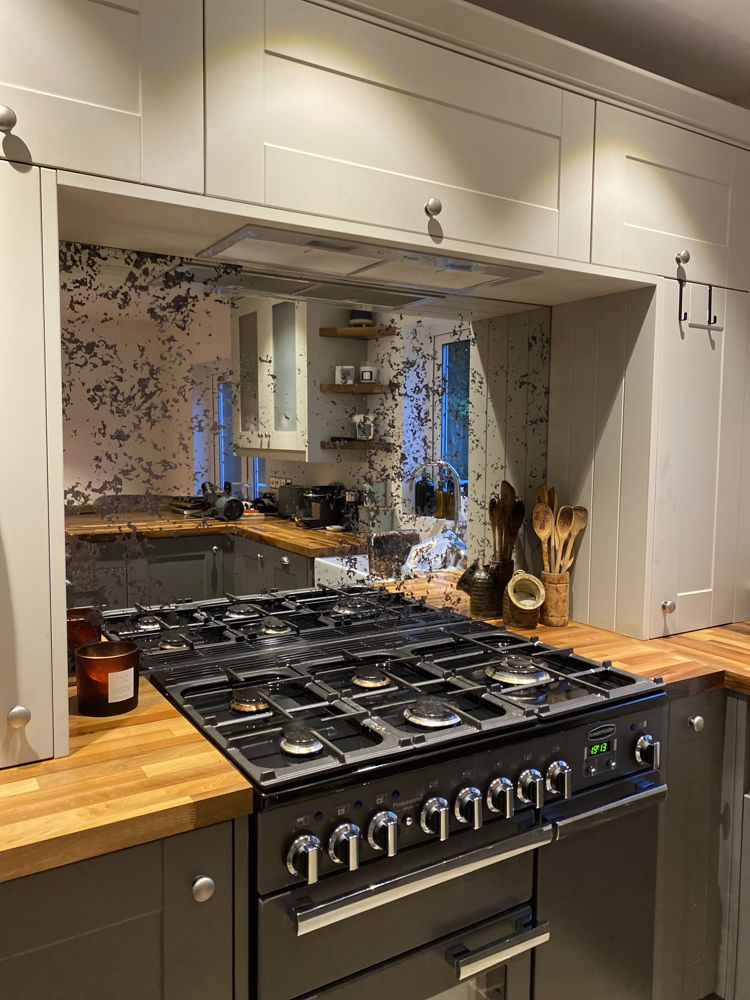
This DIY pairs exceptionally well with clean, reflective surfaces such as glass or acrylic wall features. When combined with durable finishes like glass splashbacks from established DIY specialists such as DIY Splashbacks UK, the entryway or kitchen maintains both form and function with minimal upkeep.

Forward-Thinking Use Cases

• Add a wireless charging pad beneath the tray for subtle modernization

• Use interchangeable inserts to adapt the tray seasonally

• Repurpose the same design for bedside tables or home offices

Final Takeaway

This is disciplined design rooted in tradition. A simple build that delivers structure, consistency, and visual calm. In short: a small DIY with long-term strategic value for any well-run home.

The Modern Command Tray — A Small Build with Enterprise-Level Impact

The Modern Command Tray — A Small Build with Enterprise-Level Impact

This project is about reclaiming control at the front line of the home. Long before apps and smart hubs, households relied on a single, trusted drop zone. This DIY revives that proven system and upgrades it with today’s design discipline. Minimal spend, maximum behavioral return.

The Core Idea

The Modern Command Tray functions as a centralized intake and dispatch point for everyday carry items—keys, phones, cards, mail, sunglasses. In business terms, it eliminates operational drag caused by last-minute searches and inconsistent storage habits.

Materials (Time-Tested, Performance-Driven)

• Solid wood tray or shallow box (oak, pine, or bamboo for durability)

• Medium and fine-grit sandpaper

• Wood stain or paint in a neutral color (black, white, or natural tones)

• Small metal hooks, brass dividers, or felt inserts (optional)

• Clear polyurethane or matte sealant

• Paintbrush or clean cloth

 Build Process (Proven Workflow)

1. Surface Preparation

Sand all sides of the tray thoroughly. This step mirrors traditional craftsmanship—do it once, do it right. Remove dust with a dry cloth before finishing.

2. Finish Application

Apply your chosen stain or paint evenly. Neutral color choices align with both modern interiors and classic entryway furniture, ensuring long-term relevance.

3. Functional Customization

Install dividers or hooks if multiple users share the space. Clear segmentation avoids overlap and reinforces daily habits.

4. Seal for Longevity

Apply a protective sealant. This ensures resistance to moisture, scratches, and daily wear—non-negotiable for high-traffic zones.

5. Strategic Placement

Position the tray near the main entry or on a hallway console. Visibility and convenience drive adoption.

Operational Benefits

• Streamlines daily routines and reduces mental clutter

• Establishes a predictable system grounded in traditional home organization

• Enhances visual order without relying on technology

• Scales effectively for families, shared apartments, or work-from-home setups

Design Synergy

This DIY pairs exceptionally well with clean, reflective surfaces such as glass or acrylic wall features. When combined with durable finishes like glass splashbacks from established DIY specialists such as DIY Splashbacks UK, the entryway or kitchen maintains both form and function with minimal upkeep.

Forward-Thinking Use Cases

• Add a wireless charging pad beneath the tray for subtle modernization

• Use interchangeable inserts to adapt the tray seasonally

• Repurpose the same design for bedside tables or home offices

Final Takeaway

This is disciplined design rooted in tradition. A simple build that delivers structure, consistency, and visual calm. In short: a small DIY with long-term strategic value for any well-run home.

DIY Fold-Away Wall Ironing Station: Legacy Utility, Modern Discipline

DIY Fold-Away Wall Ironing Station: Legacy Utility, Modern Discipline

Ironing has never disappeared—it’s simply been poorly stored. Traditionally, homes allocated a fixed space for it. Modern layouts removed the space but kept the task. This DIY restores order without expanding footprint.

Strategic Rationale

This project converts an unused wall section into a concealed, functional station. It’s a space-recovery play rooted in classic utility rooms, adapted for compact homes and apartments.

Materials

• Wall-mounted fold-down ironing board (or plywood + hinge system)

• Heat-resistant fabric and padding

• Shallow cabinet or framed box

• Screws, wall plugs, drill

• Magnetic latch or soft-close hinge

Build Framework

1. Select the wall – Near a socket, away from moisture. Old rules still apply.

2. Frame the housing – Keep depth minimal; function over bulk.

3. Mount the folding board – Secure hinges into studs or anchors.

4. Add surface padding – Heat tolerance is non-negotiable.

5. Close it in – Cabinet door or flush panel for visual discipline.

Business Case

• Zero floor space consumed

• Faster setup and pack-down

• Cleaner visual lines

• Adds perceived home value through hidden utility

Future-Proofing

This framework scales. The same method works for fold-down desks, laundry sorting boards, or craft stations—proven concepts repurposed with intent.

Bottom Line

This DIY isn’t flashy. It’s operational. It respects how homes used to work while acknowledging how they must function today. Quiet efficiency always outperforms novelty.

DIY Under-Stair Storage Optimization: Turning Dead Space into Strategic Value

DIY Under-Stair Storage Optimization: Turning Dead Space into Strategic Value

Every well-designed home respects efficiency. Under the stairs is one of those overlooked zones that has existed forever, yet is rarely leveraged properly. This DIY project is about disciplined space management—extracting value from what’s already there, without disrupting the character of the home.

Why This Works (Tradition Meets Logic)

Historically, homes relied on cupboards, trunks, and built-ins to manage clutter. The under-stair area served that role when space was scarce. This DIY revives that mindset, using modern materials and cleaner execution to meet today’s storage demands while respecting proven layouts.

The DIY Approach

The concept is simple: modular pull-out drawers or open shelving built to fit the stair angle. Measure once, cut clean, and assemble with durability in mind. Plywood or MDF remains a trusted material choice—cost-effective, easy to work with, and structurally sound when finished correctly.

Key components:

• Framed compartments aligned with the stair slope

• Drawer runners or fixed shelving depending on usage

• Neutral paint or wood finish to keep the look timeless

Execution and Payoff

This is a low-risk, high-return DIY. You reduce visible clutter, increase functional storage, and enhance the perceived order of your home. From a value standpoint, it’s a quiet upgrade that buyers and guests notice immediately—even if they can’t quite pinpoint why the space feels more efficient.

Design Discipline

Avoid over-styling. Clean lines, practical access, and durable finishes win every time. This isn’t about novelty—it’s about control, structure, and longevity. When done right, the storage looks like it was always meant to be there.

Closing Perspective

Under-stair storage optimization is a textbook example of smart DIY thinking. It respects traditional space usage, applies modern execution, and delivers measurable everyday benefits. No gimmicks. Just a solid improvement that aligns form, function, and foresight.

Bottom line: Maximize what you already own. That’s how good homes—and good DIY decisions—are built.

Door-Back Organizer for Cleaning Supplies: A Structured Upgrade to Everyday Operations

Door-Back Organizer for Cleaning Supplies: A Structured Upgrade to Everyday Operations

Well-managed homes rely on systems, not guesswork. Cleaning is no exception. A door-back organizer is a classic storage solution that continues to outperform trend-driven alternatives because it respects one core principle: tools should live where they’re used. This DIY takes an overlooked surface and converts it into a high-function, low-visibility asset.

The Business Case for Vertical Storage

Doors are fixed, predictable, and structurally reliable—ideal for controlled storage. By moving cleaning supplies off shelves and floors, you reduce clutter density, improve access speed, and create a repeatable cleaning workflow. This approach has been used for decades in utility rooms and service closets for one reason: it works.

Materials: Keep It Simple, Keep It Durable

• Over-the-door organizer, wire rack, or slim baskets

• Screws, wall plugs, or reinforced hooks

• Measuring tape and pencil

• Drill or screwdriver

• Non-slip liners, bins, or small containers (optional but recommended)

Stick to neutral finishes and sturdy materials. Longevity always beats aesthetics that date quickly.

Step-by-Step Execution Plan

1.Door Assessment

Check door thickness, hinge clearance, and swing direction. The goal is zero interference with normal use.

2.Layout Before Install

Dry-fit the organizer and map out item placement. Heavier bottles belong at the bottom to maintain balance and reduce stress on fixings.

3.Secure with Intention

Whether you’re using hooks or permanent screws, install for load, not convenience. Stability is the foundation of trust in any storage system.

4.Standardize the Setup

Assign each product a fixed location. Micro-consistency eliminates daily friction and prevents clutter from creeping back.

5.Optimize Over Time

After a week of use, refine spacing and remove anything that doesn’t earn its place. This keeps the system lean and efficient.

Ideal Use Cases

• Pantry doors for cleaning sprays

• Bathroom doors for toiletries and cloths

• Laundry room doors for detergents and tools

• Closet doors in small apartments

• Long-Term Value

• Frees up cabinet and floor space

• Shortens cleaning time

• Improves visual order

• Easy to maintain and update

Final Take

This DIY isn’t about reinventing the wheel. It’s about disciplined organization using a method that has always delivered results. By formalizing where cleaning supplies live, you turn a routine task into a smoother, faster operation—proof that the simplest systems often create the biggest gains.

DIY Shoe Rack with Tiered Angles: A Disciplined Approach to Everyday Order

DIY Shoe Rack with Tiered Angles: A Disciplined Approach to Everyday Order

In every well-run household, footwear management is a small detail with outsized impact. Shoes scattered at the entry point undermine flow, aesthetics, and efficiency. A tiered-angle shoe rack solves this the old-fashioned way—structure, visibility, and durability—while aligning with modern space constraints.

Why Tiered Angles Work

This design isn’t new; it’s proven. Angled tiers improve visibility, prevent shoes from collapsing into each other, and maximize vertical real estate. From a performance standpoint, it’s a smarter layout than flat shelving—less footprint, more capacity, better access.

Materials (Lean and Reliable)

• Wooden boards or plywood (traditional, sturdy, easy to source)

• Screws and wall plugs

• Saw and drill

• Measuring tape and level

• Sandpaper

• Paint or wood stain (neutral tones age best)

Execution Strategy

1.Plan the Angles

Each tier should tilt slightly upward—enough to cradle shoes without wasting depth. Consistency is key.

2.Cut with Precision

Uniform board lengths ensure balance and long-term stability. This is not a place for guesswork.

3.Assemble Bottom-Up

Start from the base and work upward, securing each tier firmly before moving on. This mirrors traditional carpentry logic: foundation first.

4.Finish with Intent

Sand thoroughly and apply a protective finish. Durability always outperforms trend-driven shortcuts.

Placement and Performance

Position the rack near the entryway or hallway wall. Wall-mounted versions reduce floor clutter, while freestanding units offer flexibility. Either way, the result is controlled storage with a clean visual line.

Value Proposition

•Improves daily routines

• Reduces clutter risk

• Scales easily for families

• Built once, used for years

This is a no-frills DIY that respects how homes have always been organized—while quietly meeting today’s expectations for efficiency and space optimization.

Bottom Line

A tiered shoe rack is not about decoration; it’s about order. Simple materials, disciplined execution, and a design philosophy that has already stood the test of time. Build it once. Benefit daily.

DIY Fold-Down Wall Desk: A Legacy Solution for Modern Living

DIY Fold-Down Wall Desk: A Legacy Solution for Modern Living

In every era, smart homes have prioritized space efficiency. Long before open-plan living became fashionable, wall-mounted furniture quietly did the heavy lifting. This DIY fold-down wall desk revisits that proven concept and upgrades it for today’s hybrid lifestyle.

Why This DIY Still Wins

From a strategic standpoint, this project delivers immediate ROI:

• Space optimization without structural compromise

• Low-cost execution using familiar materials

• Operational flexibility for work, study, or planning

It’s a classic solution, refined with modern intent.

What You’ll Need

• Plywood or MDF board

• Heavy-duty wall hinges

• Folding brackets or chains

• Wall anchors and screws

• Drill, level, screwdriver

• Paint or wood stain (neutral tones age best)

Execution Framework

Define the footprint

Identify unused wall space. Traditional layouts favor corners or transitional zones—hallways, kitchens, or bedrooms.

Prepare the surface

Sand and finish the board. Conservative color choices ensure longevity and resale appeal.

Install with precision

Secure hinges to studs. Structural integrity is non-negotiable—this is where old-school craftsmanship matters.

Add support mechanics

Folding brackets or chains stabilize the desk during use and retract cleanly when not needed.

Finalize and deploy

Mount, test weight tolerance, and refine alignment.

Strategic Use Cases

• Compact home offices

• Homework stations

• Kitchen planning desks

• Small-business admin corners

This is a functional asset, not decorative clutter.

Closing Position

Good DIY isn’t about trends—it’s about repeatable value. The fold-down wall desk has endured because it works. By executing it with modern tools and disciplined design choices, you’re not just saving space—you’re future-proofing it.

The Enduring Advantage of Glass Splashbacks in Modern Homes

The Enduring Advantage of Glass Splashbacks in Modern Homes

In today’s housing landscape, smart homeowners are not chasing trends for the sake of novelty—they’re making calculated upgrades that respect tradition while unlocking modern performance. One feature that continues to prove its value across generations is the glass splashback.

Long before open-plan kitchens and minimalist interiors became mainstream, homes relied on durable, easy-to-clean wall protections behind cooktops and sinks. What has changed is execution. Glass splashbacks have taken a time-tested concept and repositioned it as a high-impact design asset.

Why Glass Splashbacks Still Win

From a strategic standpoint, glass splashbacks deliver on three non-negotiables: durability, hygiene, and visual continuity. Unlike tiles with grout lines that age poorly and demand maintenance, a single glass panel provides a seamless surface that aligns with both traditional craftsmanship and modern efficiency.

This is where heritage meets innovation. The principle is old-school—protect the wall properly—but the material science is forward-thinking. Toughened glass handles heat, moisture, and daily wear with minimal intervention, making it a low-risk, high-return upgrade.

Design That Scales With Your Space

Color consistency and finish control are critical in contemporary interiors. Glass splashbacks allow homeowners to lock in a precise color strategy, whether that’s a neutral tone rooted in classic kitchens or a bold accent that signals modern confidence. Over time, this adaptability protects the home’s resale value while keeping the space relevant.

Providers like DIY Splashbacks have streamlined this process, enabling custom sizing and color alignment without compromising on quality standards. It’s a practical evolution of how splashbacks have always been done—just executed with better tools and tighter tolerances.

Operational Benefits Homeowners Appreciate

From an operational lens, installation is efficient, cleaning is straightforward, and long-term upkeep costs are minimal. These are not cosmetic wins; they’re functional advantages that homeowners feel every day. In an era where people want fewer problems, not more features, glass splashbacks quietly outperform alternatives.

Final Takeaway

Some upgrades are noise. Others are signal. Glass splashbacks fall firmly into the latter category. They respect how homes have always worked while leveraging modern materials to perform better, last longer, and look sharper. For homeowners focused on smart decisions rather than short-lived trends, this is a legacy upgrade that continues to make sense.

Under-Bed Rolling Storage: Turning Forgotten Space into a Strategic Asset


Under-Bed Rolling Storage: Turning Forgotten Space into a Strategic Asset

In well-run homes, every square inch has a job. Historically, storage was built into trunks, chests, and raised beds for a reason—space was precious, and waste was not tolerated. Under-bed rolling storage follows that same disciplined thinking, upgraded for modern living.

This is not a trend. It’s operational efficiency.


Why Under-Bed Storage Still Works

For generations, households stored linens, seasonal clothing, and valuables beneath beds. The logic was simple: protected, discreet, and accessible. What changes today is execution.

By adding wheels, structured containers, and intentional organization, under-bed storage shifts from “forgotten clutter” to a high-performance storage system.

The Business Case for Rolling Storage

Maximizes dormant space without altering room layout 

Reduces visible clutter, improving visual calm and functionality

Supports seasonal rotation, a time-tested home management practice

Improves accessibility, especially in compact homes

This is classic problem-solving, not decorative excess.


What You’ll Need

• Low-profile storage boxes or wooden crates

• Caster wheels (locking preferred)

• Screws and a drill

• Measuring tape

• Optional: dividers, fabric liners, or labels

Choose durable materials. This system is designed to last, not to be replaced every year.


Step-by-Step Execution

1. Measure with Intent

Clearance matters. Measure bed height and width accurately to avoid friction during daily use.

2. Build or Modify Containers

Attach caster wheels securely to the base of each box or crate. Stability is non-negotiable.

3. Assign Categories

Traditional homes always had zones—bedding, clothing, tools. Apply the same logic here. Group items intentionally.

4. Add Dividers or Liners

This protects contents and maintains order over time. Structure prevents entropy.

5. Label and Deploy

Label discreetly and slide units into place. Clean execution, zero visual noise.


What to Store Under the Bed

• Extra bedding and towels

• Seasonal clothing

• Shoes or bags

• Important documents (in sealed containers)

• Hobby or DIY supplies

Avoid items sensitive to heat or moisture unless properly sealed.


Design Discipline Matters

Stick to neutral colors and low profiles. Under-bed storage should disappear visually while performing flawlessly. This is about utility, not attention.

Long-Term Value

Under-bed rolling storage reflects a broader mindset: use what you already have before expanding footprint or budget. It aligns with traditional household management while supporting modern lifestyles and smaller living spaces.

Homes that function well are not always bigger—they are simply better organized.

Final Thoughts

Under-bed rolling storage is a quiet upgrade with outsized impact. It respects old-school practicality while meeting today’s expectations for efficiency and order. No gimmicks. No waste. Just smart use of space—exactly how homes have always been run when done properly.

Eco-Friendly Splashbacks: Sustainable Design Powered by Recycled Glass

Eco-Friendly Splashbacks: Sustainable Design Powered by Recycled Glass

Sustainability is no longer a trend—it’s a baseline expectation. Yet, the smartest interiors still honor what has always worked: durability, hygiene, and timeless appeal. Recycled glass splashbacks sit precisely at that intersection, delivering modern environmental performance without abandoning traditional design logic.

Why Recycled Glass Is a Strategic Choice

Recycled glass splashbacks are manufactured from post-consumer and industrial glass, reengineered into high-performance panels. From a value perspective, this is a closed-loop material that reduces landfill waste while maintaining the structural integrity expected in kitchens and bathrooms.

Unlike short-life alternatives, glass has always been a trusted surface—easy to clean, resistant to heat, and visually stable over time. Recycling simply upgrades the supply chain, not the standards.

Performance Meets Visual Consistency

From a design standpoint, recycled glass offers strong ROI. It delivers consistent color depth, light reflection, and a seamless finish that aligns with both contemporary and traditional interiors. Whether the goal is a minimalist kitchen or a classic cooking space with modern undertones, recycled glass integrates without friction.

More importantly, it avoids visual clutter. One continuous panel means fewer joints, fewer failure points, and a cleaner aesthetic—something designers have valued for decades.

Sustainability Without Compromise

Eco-friendly does not mean fragile. Recycled glass splashbacks are toughened, impact-resistant, and built to perform in high-use environments. This makes them a responsible choice not just environmentally, but operationally.

Homeowners looking for reliable sourcing and practical guidance can explore recycled glass splashback options through DIY Splashbacks , where sustainable materials are aligned with proven installation standards and real-world use cases.

Long-Term Value for Modern Homes

From a lifecycle perspective, recycled glass splashbacks reduce maintenance costs, resist staining, and age well—key indicators of long-term value. They support sustainable living goals while preserving the clean, functional design language kitchens have relied on for generations.

For those planning a future-ready upgrade without abandoning trusted materials, recycled glass splashbacks represent smart continuity rather than disruption.

To explore sustainable splashback solutions and practical design options, visit DIY Splashbacks and see how recycled glass fits seamlessly into both modern and traditional spaces.


Conclusion: A Smarter Way Forward

Recycled glass splashbacks prove that sustainable design does not require abandoning what has always worked. They deliver the durability, hygiene, and visual clarity kitchens and bathrooms have relied on for generations—while aligning with modern environmental priorities.

By choosing recycled glass, homeowners and designers make a forward-looking decision grounded in proven materials and long-term value. It’s not about chasing trends; it’s about upgrading responsibly. For those ready to invest in an eco-conscious splashback solution without compromising performance or style, recycled glass—sourced through trusted suppliers like DIY Splashbacks —sets a clear, confident standard for the future.